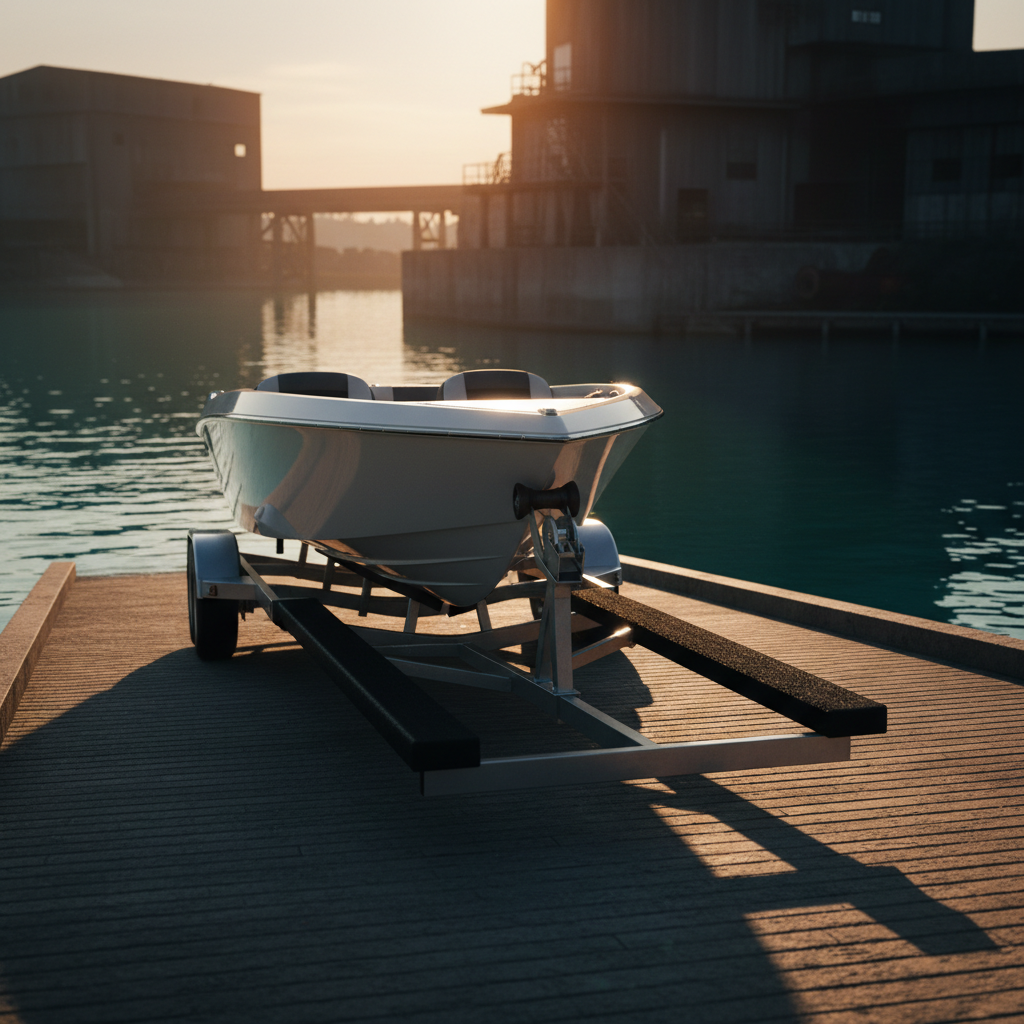
Hull Supported. Gelcoat Safe. Launch Ready.
Bunk Boards for Every Boat Trailer
Heavy-duty bunk boards for boat trailers, pontoon trailers, PWC trailers, and storage racks. Carpeted, synthetic or composite — sized to the hull and ready to bolt on.
- 6
- bunk types compared
- 2x4 / 2x6
- standard board stock
- 8
- questions answered
What bunk boards actually do
A boat spends far more time on its trailer than in the water, and the bunks are what it lives on. They spread the hull's weight along the bottom's reinforced sections, keep the finish off bare steel, line the boat up at retrieval, and control how it slides at launch.
They are also a wear item. Carpet abrades, wood rots from the inside out, staples back out, and brackets crush softened boards. Most gelcoat damage blamed on ramps and rocks is actually a failed bunk doing it one retrieval at a time.
This guide covers the types, how to size and position them, and how to replace them properly with fasteners that survive ramp dunking.
The six kinds of bunk
Every trailer setup is a combination of these. Most decisions come down to carpeted wood against a synthetic surface.
The standard
Carpeted wood bunks
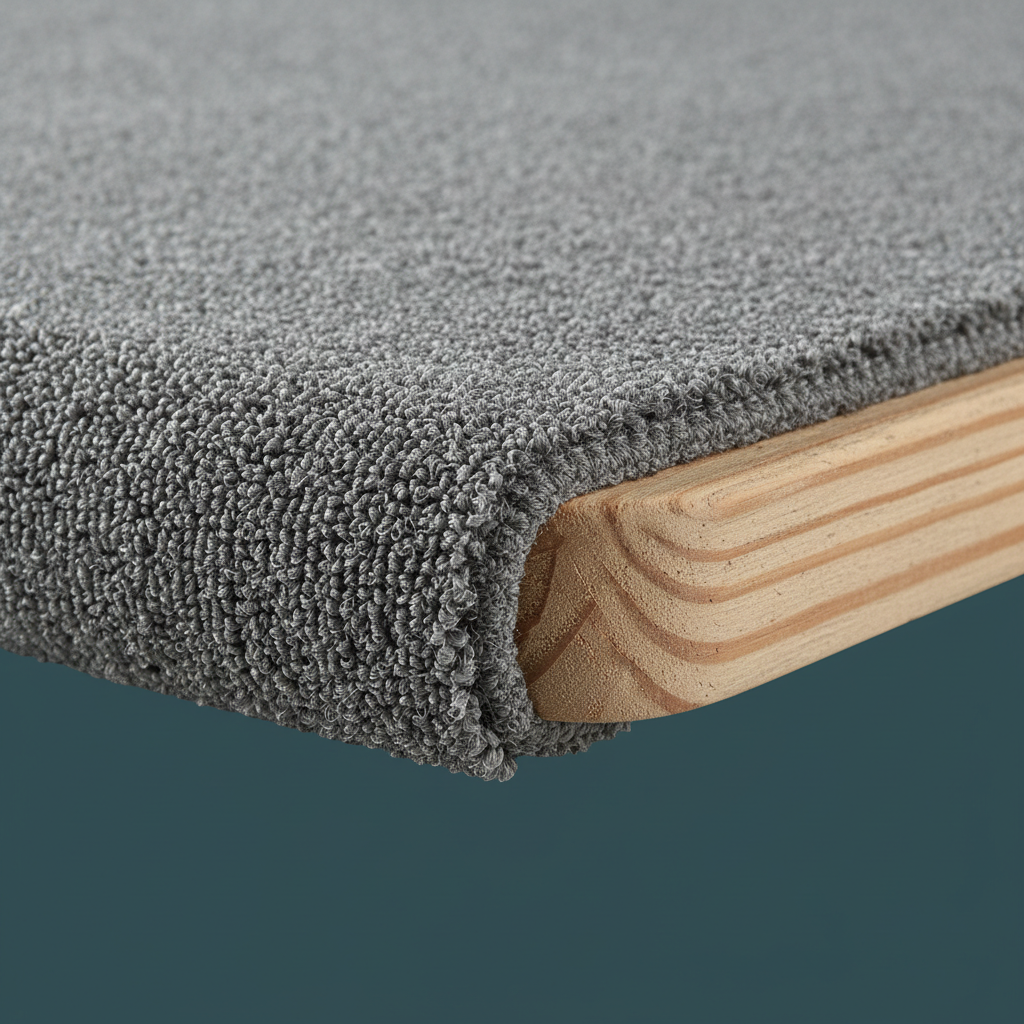
Pressure-treated lumber wrapped in marine-grade bunk carpet, stapled on the underside with stainless staples. Inexpensive, easy to cut to length on site, and gentle on gelcoat as long as the carpet is intact. The carpet is the wear item: once it tears or wears through, the wood underneath will scratch a hull in one retrieval.
The upgrade
Synthetic bunk covers
Molded plastic or composite covers that snap or screw over the existing wood bunk. They cut friction dramatically, shed water instead of holding it against the hull, and never rot. The boat slides further at launch and winches on with less effort, which is why they are popular on heavier boats and shallow ramps.
The budget slick
Plastic glide strips
Narrow polymer strips screwed to the top face of a carpeted or bare bunk. A low-cost way to reduce friction on part of the bunk without recovering the whole board. Countersink every fastener carefully: a proud screw head on a glide strip is a gelcoat gouge waiting to happen.
The vertical pair
Pontoon bunks
Pontoon and tritoon trailers carry the boat on bunks set vertically on edge, positioned under each tube. The loads are concentrated and the tubes are aluminum, so carpet condition and bunk alignment matter even more than on a V-hull trailer.
The no-rot board
Composite lumber bunks
Solid composite boards used in place of treated pine. They cost more per foot and are heavier, but they do not rot, split or hold water, and the carpet lasts longer on a board that is not swelling and shrinking each season. Worth it for salt water and for trailers that live outdoors.
The alignment crew
Guide-ons and side bunks
Vertical carpeted boards or posts at the rear of the trailer that funnel the hull onto the main bunks at retrieval. Not load-bearing in the same way, but the difference between a straight power-load in a crosswind and a hull sitting half off its bunks.
Bunks vs rollers
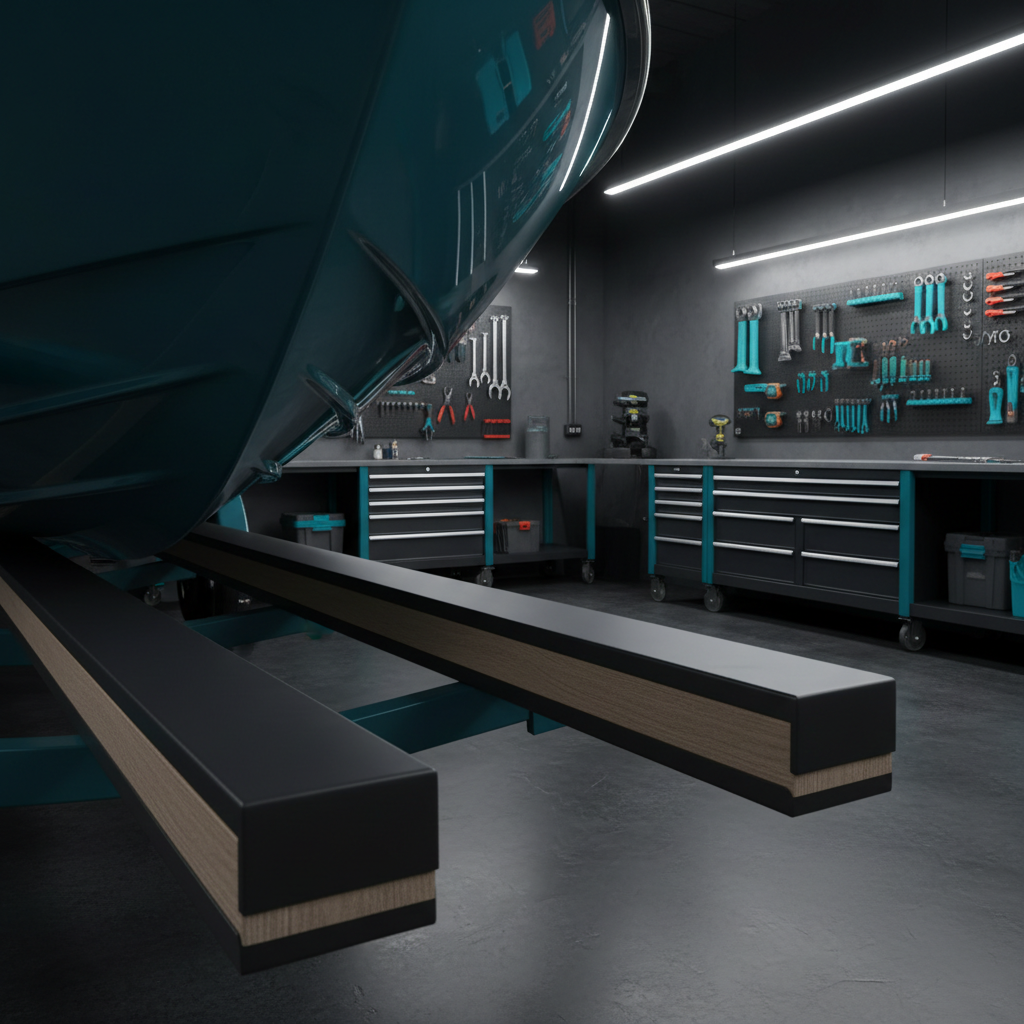
Bunks win on support, storage and simplicity: more hull contact, nothing to seize or flat-spot, and less to go wrong for years at a time. Rollers win on shallow ramps and manual launching, where a hull needs to move with little water under it.
The modern middle ground is a bunk trailer with synthetic covers: bunk support with launch friction low enough that most owners never miss the rollers. If the boat lives on the trailer between trips, bunks are the default answer.
Sizing bunks to the hull
Board dimensions
Most bunks are built from 2x4 or 2x6 lumber. The wider 2x6 spreads the same hull weight over more area, which matters on heavier boats and on hulls that sit hard on the bunks in storage. Match what the trailer's bunk brackets are made to hold before deciding.
Length and support
Longer bunks spread load and support more of the hull's running surface. A common rule of thumb is to support as much of the straight aft section of the hull as the trailer frame allows, with the bunk ends not digging into the hull's curvature. The transom should be supported, not hanging.
Position under the hull
Bunks belong under the hull's reinforced areas: alongside the keel on the flat of the bottom, ideally picking up stringers. Set the angle so the full face of the board touches the hull, not just an edge. A bunk carrying its load on one edge wears carpet fast and points-loads the laminate.
Weight and rating
The bunks, brackets and crossmembers work as a system with the trailer's rated capacity. Replacing boards like-for-like keeps the system honest. Upgrading a trailer to carry a heavier boat is a trailer-rating question first and a bunk question second.
Replacement done right
When to replace
Torn or worn-through carpet, soft or split wood, staples working out of the surface, or a bunk that has crushed at the bracket are all replace-now signals. The cheap test: run a hand along the carpet feeling for proud staples and hard spots. Anything that would scratch your hand will scratch the hull.
Measure before you unbolt
Record board length, width and thickness, bracket positions along the board, and the bolt pattern before removing anything. Photograph the bunk angles from behind the trailer. Matching the old geometry puts the new boards exactly where the hull expects them.
Fasteners matter
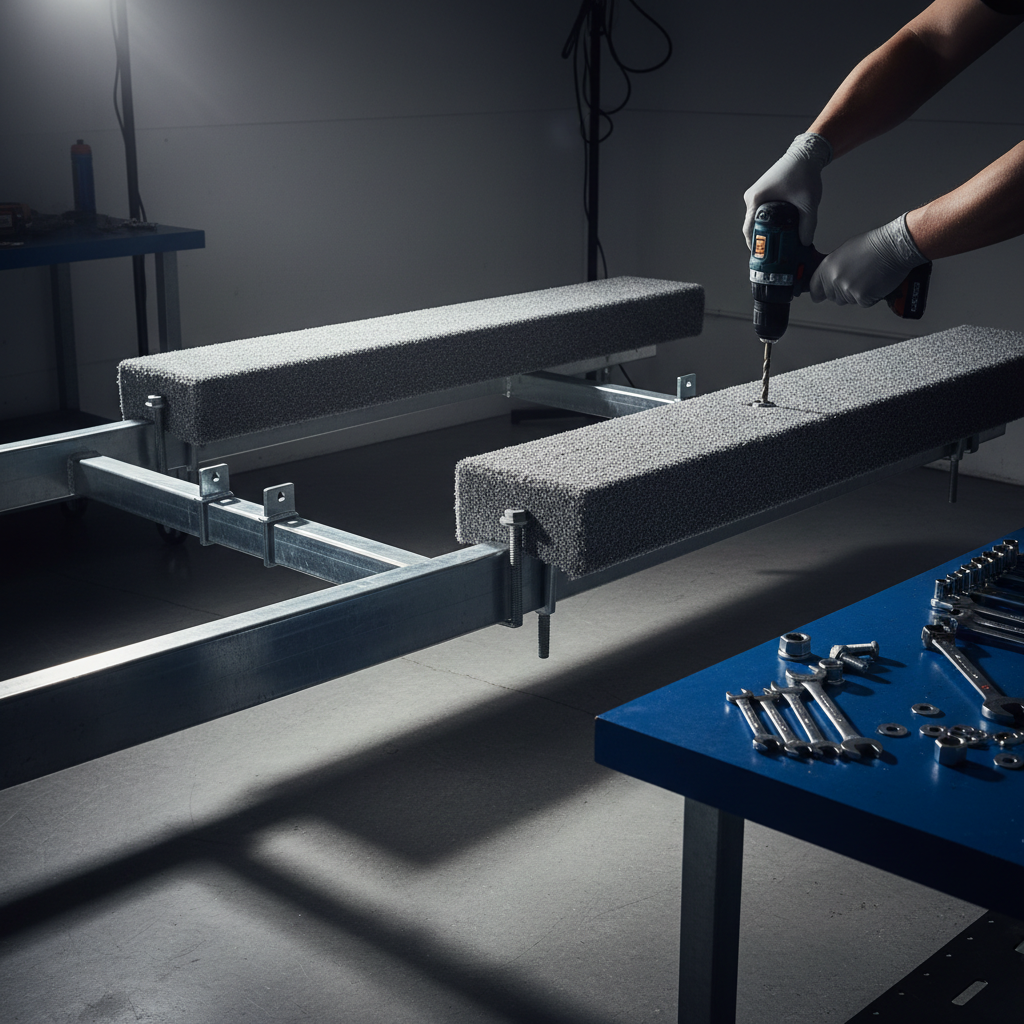
Use galvanized or stainless carriage bolts through the bracket, with the head recessed or on the far side from the hull, and stainless staples for carpet. A plain steel bolt rusts to the bracket in a season of ramp dunking, and the next replacement becomes an angle-grinder job.
Wet the bunks
Carpeted bunks grip a dry hull. Backing the trailer in to wet the carpet before loading, or fitting synthetic covers, is the difference between a boat that slides to the winch post and one that has to be dragged on inches at a time.
Bunk board questions, answered
What are bunk boards on a boat trailer?
Bunk boards are the long padded boards a boat rests on when it sits on its trailer. They are usually pressure-treated lumber covered in marine carpet, bolted to the trailer's crossmembers with adjustable brackets. They spread the hull's weight, protect the finish, and guide the boat into position at retrieval.
What wood should bunk boards be made from?
Pressure-treated pine is the standard choice: cheap, strong and rot-resistant. Cedar and cypress are lighter and naturally rot-resistant but softer. Composite lumber eliminates rot entirely at a higher price. Whatever the species, the board should be straight-grained and free of large knots where the brackets bolt through.
Are bunk trailers better than roller trailers?
Bunks support more of the hull, are gentler for long-term storage, cost less, and have almost nothing to maintain. Rollers make launch and retrieval easier in shallow water and on poor ramps. Many builders recommend bunks for fiberglass hulls unless a shallow home ramp genuinely demands rollers.
How long should trailer bunks be?
As long as the trailer frame and hull shape allow, so the load is spread and the transom is supported. Common replacement lengths run from four to eight feet. The right answer comes from the trailer manufacturer's setup guidance for the boat's length and weight, or from matching the boards the trailer was set up with.
Should I use 2x4 or 2x6 bunk boards?
Match the existing brackets first. Where either fits, a 2x6 puts more carpeted area under the hull and is the safer choice for heavier boats, hulls stored on the trailer, and pontoon tubes. A 2x4 is fine for lighter hulls and keeps weight and cost down.
What carpet do you use on bunk boards?
Purpose-made marine bunk carpet: polypropylene, rubber-backed, in the 16 to 20 oz range. It resists rot, UV and constant wet-dry cycling. Household carpet holds water against the wood and hull, wears quickly, and can trap grit that acts like sandpaper on gelcoat.
Can bunk boards damage a hull?
Worn carpet, exposed staples or screw heads, rotten boards that let brackets contact the hull, and badly angled bunks that load one edge can all damage gelcoat or worse. A hull that has been sitting hard on a failed bunk can develop pressure marks in the laminate. Inspection twice a season prevents almost all of it.
Do synthetic bunk covers work?
Yes, with a caveat. They reduce launch friction dramatically and never hold water against the hull. The caveat is the same low friction working against you: a boat on slick bunks can slide off the trailer prematurely on a steep ramp if it is unhooked too early. Keep the bow strap on until the boat is over water.
Get a Quote
Tell us the boat, the trailer, and what the current bunks are doing wrong. You'll get a reply within one business day.